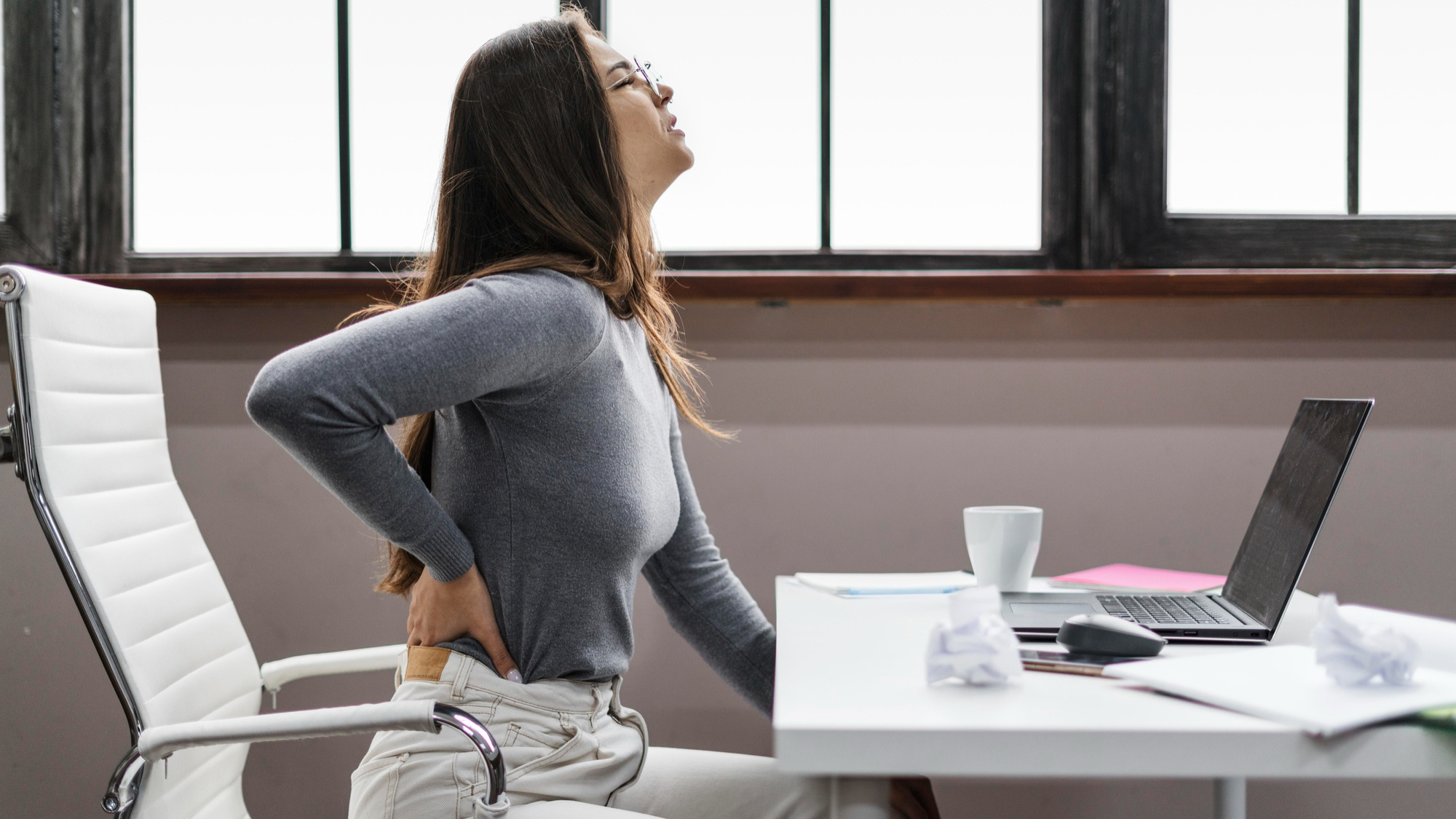
 Sciatica is a condition characterized by pain radiating along the path of the sciatic nerve, which extends from the lower back through the hips and down each leg. Residents of Anniston experiencing this discomfort might find themselves wondering about effective self-care strategies. Anniston Chiropractic is here to illuminate ways in which one can alleviate symptoms conveniently and effectively.
Understanding the Roots of Discomfort
Sciatica often manifests due to a herniated disk, bone spurs, or muscle tension along the spine. The ensuing nerve compression can lead to inflammation, pain, and numbness. Each case can vary, and understanding your individual cause is the first step towards effective management. A visit to a professional chiropractor can help identify the underlying problem and establish a tailored approach to relief.
Chiropractic Techniques for Relief
Chiropractic care in Anniston utilizes a holistic approach, emphasizing natural techniques to provide pain relief and enhance recovery without the dependency on medication. Targeted adjustments can relieve pressure on the sciatic nerve, facilitate better alignment, and reduce nerve irritation. Regular chiropractic sessions nurture your spine into a healthier state, aiding not only in pain relief but improving overall wellbeing.
Staying Active: Exercises to Ease the Pain
While it may seem counterintuitive, certain exercises can significantly mitigate sciatica symptoms. Gentle stretching and strengthening activities for key muscle groups help reduce tension on the sciatic nerve. Hamstring stretches, knee-to-chest exercises, and pelvic tilts can promote flexibility and reduce discomfort. Participating in activities like swimming or walking, which are mild yet vigorous enough to keep the body moving, is encouraged. Consultation with a chiropractor is recommended to tailor an exercise regimen specifically for you.
Workstation Ergonomics: A Game Changer
Prolonged periods of sitting, especially with improper posture, can exacerbate sciatica. Crafting an ergonomic workspace is a sensible strategy in alleviating pain. Simple adjustments like ensuring your chair supports the lower back, keeping the feet flat on the ground, and arranging your monitor at eye level can make substantial differences. Habitually getting up to stretch or walk during long stints of sitting is highly beneficial.
The Role of Nutrition in Managing Pain
Taking a closer look at your diet can reveal another pathway to relief. Foods rich in magnesium, such as nuts and leafy greens, support muscle relaxation. Anti-inflammatory foods, like berries, fish, and turmeric, can help control the inflammatory responses that exacerbate nerve pain. Hydration is equally crucial, as keeping the body properly hydrated helps maintain spinal disc health.
Ensuring a Good Night’s Sleep
Proper rest is vital for recovery and managing stress. Sleeping in a position that supports your spine can alleviate pressure; for some, this may mean sleeping on the side with a pillow between the knees, or on the back with a pillow under the knees. A supportive mattress and pillow can also contribute to restful, recuperative sleep.
Chiropractic Guidance and Community Resources
As residents of Anniston seeking relief from sciatica, collaboration with a chiropractor places expertise and support within reach. At Anniston Chiropractic, we encourage individuals to explore our [website](https://annistonchiropractic.com/) to delve deeper into personalized care plans, community support groups, and educational materials designed to empower your journey to recovery.
Embracing a lifestyle incorporating chiropractic treatment alongside consistent self-care can dramatically alter your experience, fostering an environment where recovery is not only possible but sustainable. Through combined efforts, sciatica can become a manageable aspect rather than a disruptive element in your life. By choosing the appropriate support and disciplined self-assistance, residents of Anniston can transform pain into progress.